
Top 5 Benefits of Plant Asset Management for Manufacturing
As they will be used for more than one accounting period, they are subject to depreciation. The purpose of depreciation is to “charge out” a portion of the plant assets which have been used during the accounting period to generate business revenue. Plant assets are long-term, physical assets used in operations—like machinery, https://www.bookstime.com/ tools, buildings, and vehicles. Ultimately, plant asset management is about creating a culture of efficiency and continuous improvement.
What is a Financial Habit and How Do You Build Good Ones?
When substantial improvements or upgrades are made to a plant asset, they are capitalized as part of the asset’s value rather than expensed immediately. Capital improvements are depreciated over their useful life, ensuring that the added value is reflected accurately in financial statements. Plant Assets are recorded at their historical cost, and this cost includes all normal and reasonable expenditures necessary to get the asset in place and ready for its intended use. It is capitalized on the balance sheet, instead of being expensed in the income statement. This article takes you through the basics of plant assets, challenges and benefits of manufacturing asset management. Plant assets are subject to depreciation, which is the process of allocating the cost of an asset over its useful life.
How do companies manage their plant assets effectively?
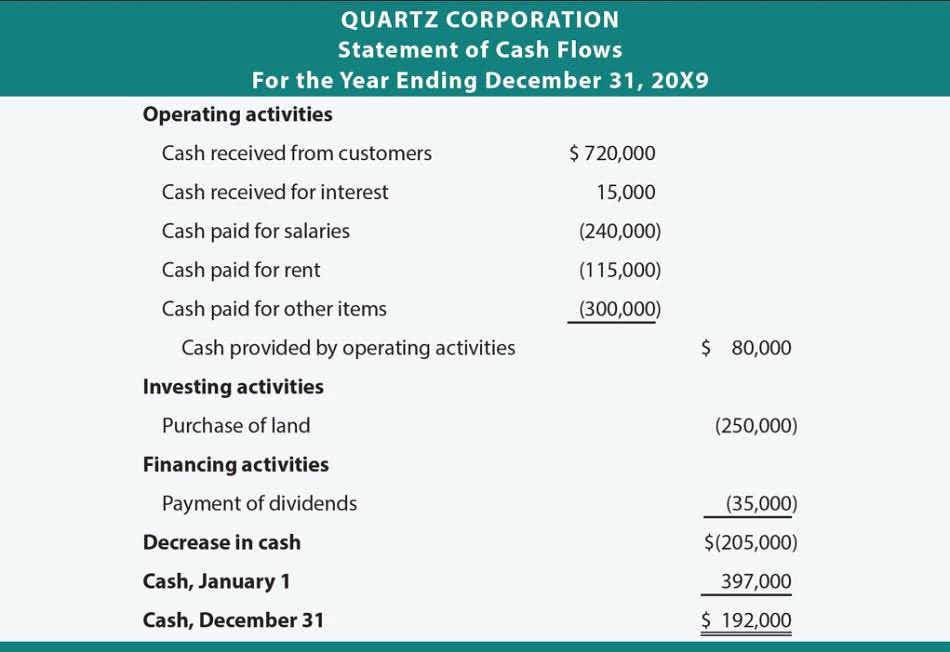
This ensures the balance sheet presents a realistic view of the asset’s current value and prevents overstating assets. Depending on the industry, plant assets may make up either a very substantial percentage of total assets, or they may make up only a small part. Industries like heavy shipping or oil extraction stand to employ a greater percentage of plant assets than industries like software, in which teams may be remote and sometimes globally distributed. Naturally, the initial purchase of the plant asset would be an outflow of cash, any subsequent sales would be a cash inflow.

#3 – Sum of Digit Method
When an asset is no longer useful, due to obsolescence or damage, it must be retired from the company’s books. The disposal process requires the removal of both the original cost of the asset and its corresponding accumulated depreciation. Accelerated depreciation methods, such as the Double-Declining Balance (DDB) method, recognize a higher expense in the early years of the asset’s life and a lower expense in later years. The DDB method applies a depreciation rate that is double the straight-line rate to the asset’s declining book value. Impairment occurs when an asset’s market value or utility has significantly declined, such as due to damage or technological obsolescence. If an impairment is identified, the asset’s book value must be adjusted to reflect this loss.
- General Matter is one of four companies DOE selected in October 2024 to provide enrichment services for the establishment of a U.S. supply of high-assay low-enriched uranium.
- By following a systematic acquisition process, businesses can ensure that they acquire the necessary plant assets to support their operations efficiently and effectively.
- Such disposal changes the asset’s ownership, reduces unnecessary damages, and ensures proper analysis of the company’s financial position.
- Because the office building is set back on the land far from the public road, George had the contractor construct a paved road from the public road to the parking lot of the office building.
What are the major trends in the PAM market?
Plant assets are reported on the corporate balance sheet under the non-current assets section. They are presented at their book value, which is the asset’s historical cost minus its accumulated depreciation. When acquiring land, the historical cost includes the purchase price, closing costs, and accrued property taxes. Costs necessary to prepare the land for its intended use are also capitalized, such as the cost of demolishing an old building.
- A drilling rig is a plant asset for an oil company, but it is inventory for the manufacturer that built it.
- Plant assets can take various forms depending on the nature of a company’s operations.
- It’s the structured process of maintaining and optimizing plant assets to reduce downtime, extend asset life, and support accurate financial reporting.
- Accurately reporting plant assets is essential for stakeholders, as it offers insight into the company’s fixed capital and the productive resources that support revenue generation.
- Through their use, plant assets allow a company to generate revenue over several periods.
- If a company constructs its own building, the capitalized cost includes materials, labor, overhead during construction, and professional fees for architects and engineers.
- The process of managing these assets requires strict adherence to Generally Accepted Accounting Principles (GAAP) in the United States.
By depreciating plant assets, companies can accurately reflect the decrease in value over time and allocate the cost of these assets to the periods in which they are used. Proper depreciation accounting is essential for financial reporting, decision-making, and accurately assessing a company’s overall profitability and asset values. The manufacturing industry comprises heavy investment plant assets that need to be closely monitored to deliver optimal performance. Plant asset management is a comprehensive approach to overseeing and optimizing the use of long-term, fixed assets within a business or organization, particularly in manufacturing and industrial settings. These assets, also known as plant assets, are tangible items directly involved in revenue generation and have a useful life of more than one year.
Buildings and Building Improvements
- The main components of a PAM system include asset performance management, condition monitoring, predictive maintenance, and asset reliability.
- The form documents and specifies when and to whom assets are handed over – serving as proof and confirmation for all stakeholders.
- Costs related to bringing the machine to the factory, such as freight and delivery charges, are also added to the asset’s cost basis.
- These assets are essential for a company’s day-to-day operations and contribute to its overall productivity and profitability.
- With the right tools, manufacturing companies can set up proactive maintenance to cut down unnecessary costs and track locations to control plant assets across warehouses.
Properly managing and accounting for plant assets ensures that financial statements are reliable, giving a realistic view of both the company’s stability and its long-term operational efficiency. Plant assets, also known as fixed assets, are long-term tangible assets that a company uses in its daily operations to generate revenue. Unlike current assets, which are expected to be used or sold within a year, plant assets serve a business over a prolonged period, often providing value and https://chalvatzelis-dental.com/10-client-bookkeeping-solutions-that-empower-your/ functionality for many years. These assets encompass items like land, buildings, machinery, vehicles, and equipment—resources that contribute directly to a company’s production and services. Plant assets vary widely across industries, as each sector relies on specific physical assets to support its operations and generate revenue. In manufacturing, plant assets like heavy machinery, assembly lines, and warehouses are essential for producing goods efficiently.
Plant and Equipment Disposal:
- A cloud-based plant asset management system enables manufacturing companies to run regular equipment inspections to lower breakdown instances.
- Even office equipment like computers or printers can qualify as plant assets, as they contribute to internal operations that support revenue generation.
- This categorization provides clarity in financial reporting, showing stakeholders the long-term resources a business relies on to maintain and grow its operations.
- The Sum of Years’ Digits depreciation method divided the depreciation expenses every year by a fraction based on the number of remaining years.
- Plant assets are reported within the property, plant, and equipment line item on the reporting entity’s balance sheet, where it is grouped within the long-term assets section.
- Next, the business must ensure that it is used for the business purpose and not kept as inventory for selling later on.
The best way to combat unexpected breakdowns is to inspect equipment and machines closely on a regular basis. This can only be done when you have clear visibility of the tools and assets available at the site. Manufacturing asset management automation offers instant access to real-time data that can then be used to derive maintenance schedules.
Introduction to Plant Assets
They are known to have a useful life of more than one year and chiefly cater to the production, supply, administrative functions, and rental activities of an organization. These assets include land, buildings, machinery, office equipment, vehicles, furniture, and fixtures. Plant asset management is a critical strategy for businesses aiming to optimize plant assets operations and reduce costs. By implementing a comprehensive approach to managing physical assets, companies can significantly improve efficiency, productivity, and profitability.
Reporting Plant Assets in Financial Statements
Conduct a walkthrough, label all active assets, and import details into your tracking system for full visibility. Matching your label to the asset’s use case ensures better performance and fewer replacements. Without good asset visibility, even well-run facilities end up wasting time chasing tools, missing maintenance windows, or over-ordering parts.