
Ultimate Guide to Food Diary Benefits & Tips
Writing in your food journal every day and referring to it often when you lose sight of your goals can help to keep you mindful of your desire to develop a healthier relationship with food. The length of time you should keep your food diary depends on your individual goals and needs. If you’re trying to manage a specific health condition or achieve a short-term goal, such as weight loss or improved athletic performance, you may only need to keep your diary for a few weeks or months. However, if you’re looking to develop a long-term understanding of your eating habits and relationship with food, it’s a good idea to keep your diary for at least 6-12 months. Before you begin creating your food journal, it’s essential to define your goals and objectives.
Asana features that help your daily diet
Some people, especially when using apps, can become overly fixated on calorie counts, diverting from the self-awareness goal. The depth of your entries will depend on your unimeal app review on sarasotamagazine goals, but for self-awareness, consider including more than just the food itself. Food trends may come and go, but eating more plants and less meat might be here to stay. I use a small kitchen scale to weigh quantities of foods, and then I just ask a nearby smart device what the calories are.
- However, by incorporating mindful eating techniques into our food journaling practice, we can cultivate a deeper understanding of our relationship with food and embark on a journey of self-discovery.
- Over time, these visuals provide clear evidence of how dietary changes impact your daily life.
- If you upgrade to the premium, you’ll get access to curated meal plans and programs too.
- It also has a barcode scanner with which you can scan your food’s label and it will automatically be entered into your food log if the food is in their database.
- Evolve dietitian Nicole Klawitter finds that using food logs with her clients is one of her most helpful recovery tools, because they help the client become more aware of the subtle emotions connected with eating.
- Over time, tracking cultivates mindfulness, encouraging people to savor food rather than eat on autopilot.
How a Food Diary Can Support Your Spatz3 Journey
Additionally, the assessment is conducted during routine check-ups or annual physical examinations. Those who include this assessment as part of those exams aim to assess a person’s risk of developing specific conditions or susceptibility to certain illnesses. If the assessment identifies early signs of particular issues, early interventions, and treatments can be implemented to manage and cure them. One of the common occasions when nurses or physicians perform this evaluation is during a patient’s admission to a healthcare facility, whether it be a hospital, clinic, rehabilitation center, or nursing home.
Weight Management and Body Composition Goals: A Data-Driven Approach
Indeed, the enduring presence of Sleep Diaries in sleep medicine, underpinned by substantial research, speaks volumes about their credibility and efficacy in assessing and treating sleep health. The Sleep Diary is backed by numerous studies, establishing it as a reliable tool in sleep health. Instruct your patient to keep the diary by their bedside and fill it out every morning upon waking. Stress the importance of documenting every day, even if their sleep was poor or if they didn’t sleep at all.
Key features of the myfood24 food diary
We found the app very helpful for creating more balanced meals and helping regulate portion sizes, while also keeping sodium and saturated fat intake in check. With more than 250 million downloads, MyFitnessPal remains one of the reigning champions among food and fitness tracking apps. “As a dietitian, I recommend MyFitnessPal because they have an extensive database,” Barkyoumb says. You can track calories for over 18 million foods, which is one of the largest food databases we have seen. Starting a new habit can be overwhelming, especially when it feels like there’s so much to consider.
Summary Recommendation for A Public Health Intervention Addressing ACEs:The Resiliency Academy
This guide covers how to get started on your food diary journey. We outline the benefits and offer some tips to stay consistent. If you’d like to raise your awareness about what you’re actually eating and how it affects you, food logging is a simple and effective way to do this. Analyzing your food diary is crucial for gaining insights into your eating habits. Whether it’s weight loss, managing a medical condition, or improving athletic performance, a food diary serves as a tool to track our progress.
Talking to Your Doctor About Your Mental Health
To combat this, keep your chosen logging tool readily accessible, such as on your phone’s home screen or in your pocket. Be honest with yourself; if you miss a log, make a note of it and try to be more diligent moving forward. The first decision you’ll need to make is how you want to record your food intake. By meticulously recording every bite and sip, you create a tangible record that can illuminate these often-unseen habits. This insight is the first, and arguably the most important, step towards making informed changes. For example, if you notice that eating late at night leads to poor sleep, you might set a goal to have your last meal earlier.
What is food logging?
Like Ate, this app focuses on increasing awareness of your eating habits and the factors that drive them — as well as building more sustainable behaviors for lasting improvements. Additionally, you can track your water intake in ounces, jot down essential notes, and monitor your sleep patterns, cravings, and overall energy levels. As an advocate of healthy living, I understand the power of food log journals. I’ve been there too which is why I created this free printable 7 day food log journal.
How long should I keep a food journal to see meaningful patterns?
Healthcare professionals can use or give their patients this Normal Blood Sugar Levels Chart to track the change in sugar levels throughout the day. A Normal Blood Sugar Levels Chart is a valuable tool for healthcare professionals and patients. This outlines target blood sugar ranges categorized by factors such as fasting state or time after eating. By referencing these guidelines, healthcare professionals can assess an individual’s blood sugar levels and determine if they fall within the normal range. This information is particularly crucial for managing diabetes, as chronically high blood sugar levels are central to this condition. Tracking food intake is a powerful method to understand and manage dietary habits.
Methods of Tracking: Journals, Apps, and Mindful Logging
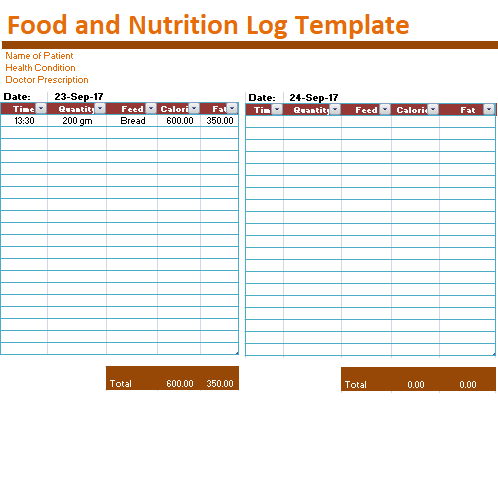
Others are as simplistic as a table dividing meal times and days of the week with a space to put what you’ve eaten and then the option to indicate whether the food made you feel good or bad. A food and mood diary is one of the best and easiest ways to keep https://www.mayoclinic.org/healthy-lifestyle/weight-loss/in-depth/weight-loss/art-20047342 track of how food affects your moods. Exactly as it sounds, a food and mood diary (aka food and mood journal or chart) is used to track the foods you eat and document what impact they have on your mood. The diary allows for comprehensive monitoring of a patient’s sleep patterns. This analysis can lead to a better understanding of sleep quality and issues affecting sleep.